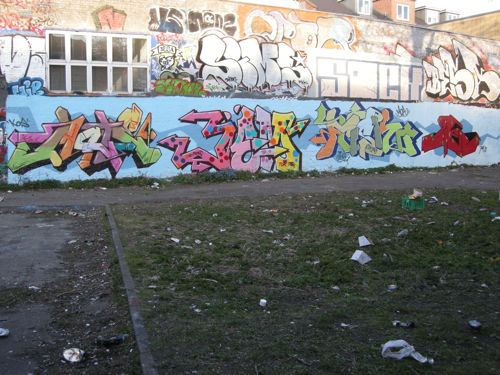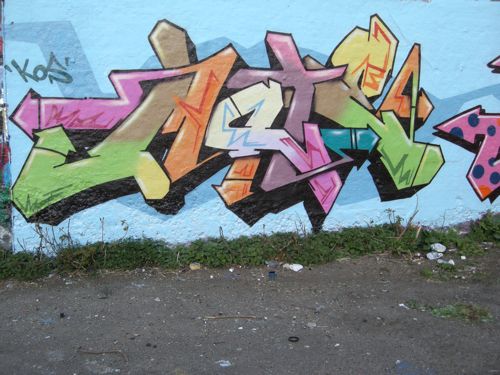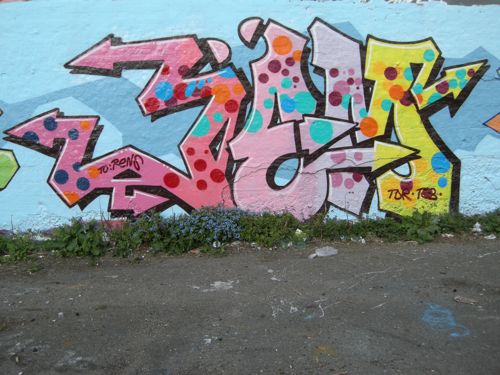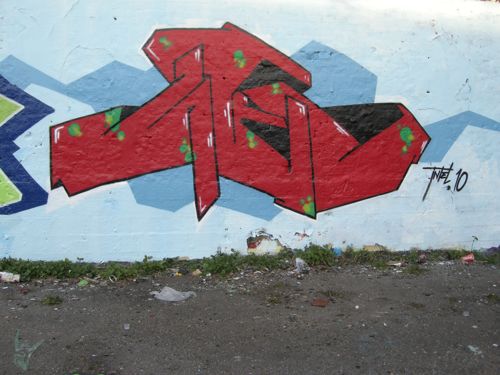


Tag: 2010
RESEND WORKS – ALBERT MERTZ
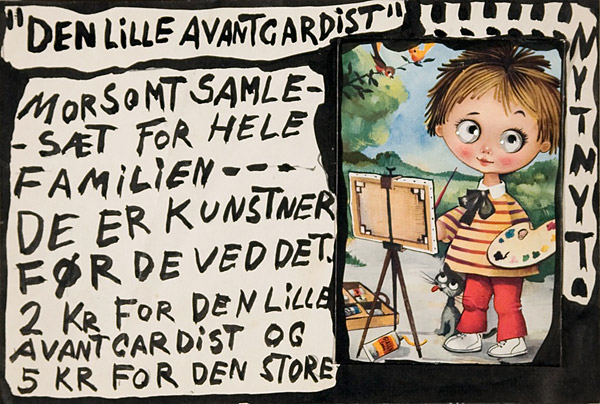
The owner of the gallery, Tom Christoffersen, has purchased 30 collages by the Danish artist Albert Mertz (1920-1990). In the hands of artist Christian Vind this has led to RESEND WORKS, a group exhibition that puts Mertz into play with his past, present and future.
Between 1962 and 1972 Albert Mertz lives in Paris and writes for the art magazine Louisiana Revy. A few years earlier Louisiana – Museum of Modern Art (Humlebaek) begins to show international exhibitions and in Mertz a protagonist for this new art is found. He brings news from the art scene in Paris, discusses art theory and art historical subjects and as a travelling critic he brings on the spot reports from major European exhibitions just as he introduces cutting edge art practices to Danish readers. All his writings are sent home accompanied by his own collages.
The group exhibition RESEND WORKS presents a major collection of these collages, which reflect Albert Mertz’ knowing, provocative, poetical and humorous approach to art and art making. In the curatorial practice of Christian Vind trajectories emanates from the juxtaposition of the collages with Vind’s careful and commenting selection of works by Jes Brinch, Jan S. Hansen, Arthur Köpcke, Storm P, Tal R, Stoffer and Christian Vind.
Husk Mit Navn @ The Street in Copenhagen.

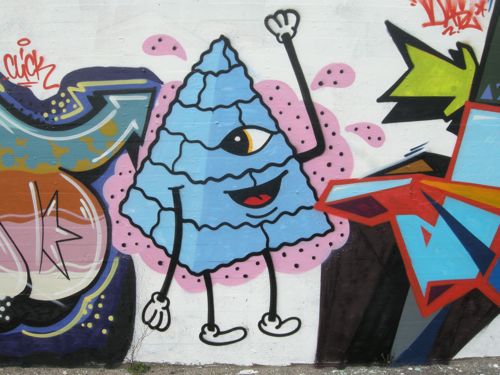
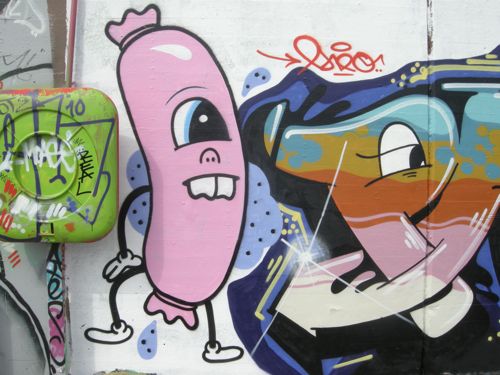
Studio Visit: Honza Hoeck //
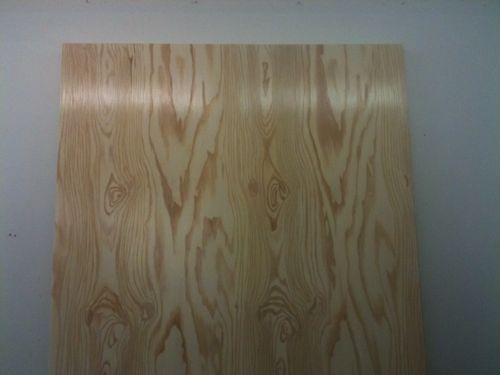
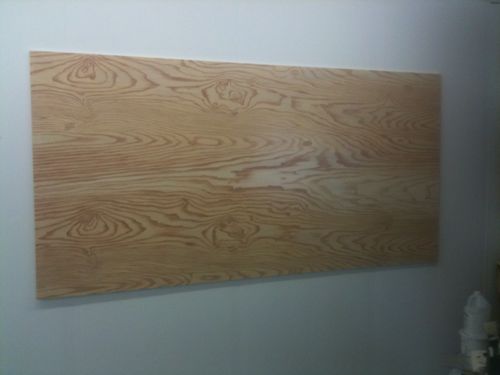
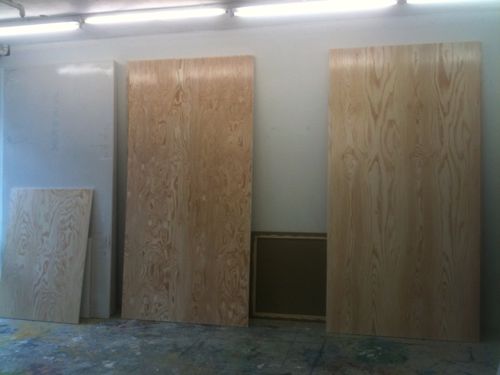
Morten Skrøder Lund
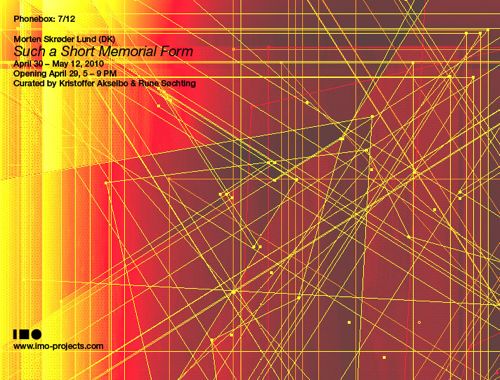
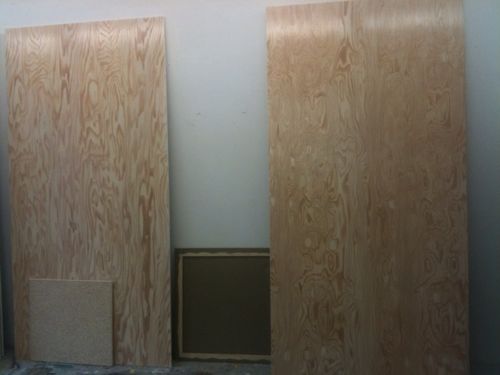
Danish artist Morten Skrøder Lund presents a brand new work titled Such a Short Memorial Form in the exhibition space Phonebox at the artist-run gallery IMO. Phonebox is located in a former phone cabin, which will serve as an intimate exhibition space with room for only one person at a time. Here the public is invited to experience the sound work Such a Short Memorial Form April 30 – May 12.
In his new work Such a Short Memorial Form created for IMO’s Phonebox, Morten Skrøder Lund works with how a space acoustically can be represented and displaced. The work unfolds both auditorily and visually by use of microphones and speakers as primary components. Sound from the gallery space outside the acoustically isolated phone cabin is captured with microphones and is heard displaced and distorted inside the phone cabin. The idea of the cabin as a sound-proof private space and the walls as stable architectural borders are challenged. The spatial displacement is further enhanced by the visual elements of the work where the magnetic field that exists around a loudspeaker is used to create a floating sculptural structure.
Morten Skrøder Lund is a young Danish artist, graduated from the Royal Danish Academy of Art in Copenhagen. He works in various formats such as painting and installation and often integrates sound as an active element in his works. He is active as a musician with special attention to experiments with electronic sound and phenomena such as feedback. His approach to the sonic medium is spatial and sculptural. Especially the idea of sound as a physical event is at the centre of his work where sound as a process literally sets material in motion. And through this motion creates relations between objects, materials and people.
Morten Skrøder Lund’s work is the seventh in a series of sound-based works presented in Phonebox at IMO in the first half of 2010. The series is titled Sounds Up Close #1-12 and is curated by Kristoffer Akselbo and Rune Søchting. It is the intention of the series to present a number of important artists who work with sound as a medium. The different pieces reflect a variety of approaches to the work with sound as medium. Over a period of six months a total of twelve pieces will be presented each for a fortnight. Some of the up-coming artists in Phonebox are Dani Gal (IL), Steve Roden (US) and Marc Behrens (DE).
Phonebox has earlier served as a phone cabin for the employees at Carlsberg. During the next six months the space, which is acoustically isolated, will function as a unique frame for display and reception of sound-based works. Moreover, the space itself will play an important role in the conceptions of many of the presented works.
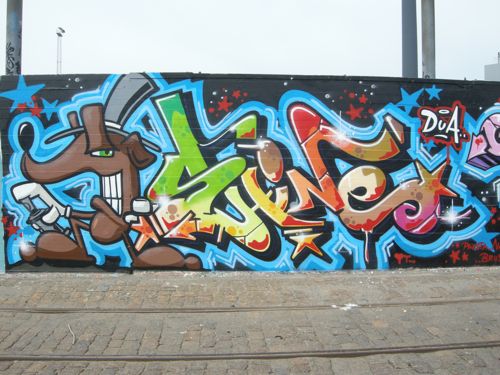
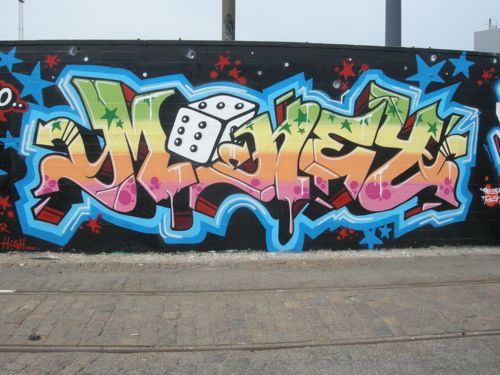
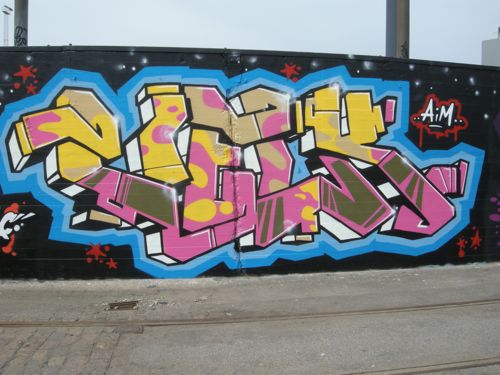
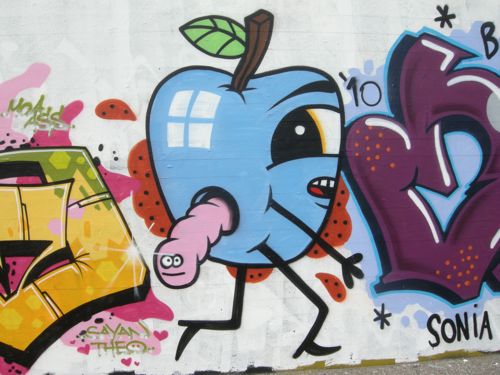
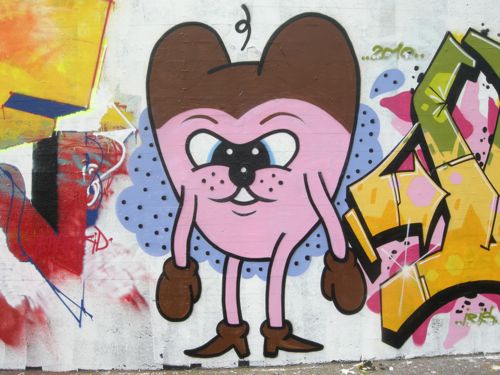
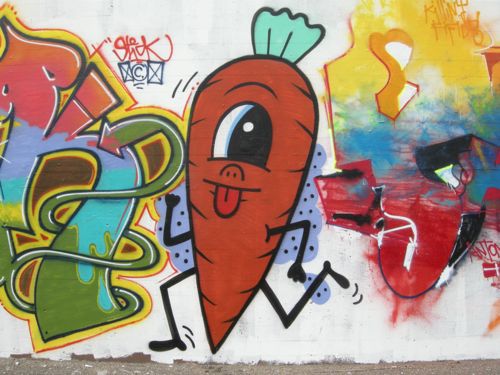
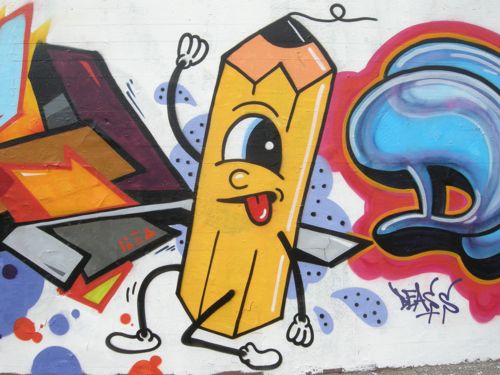
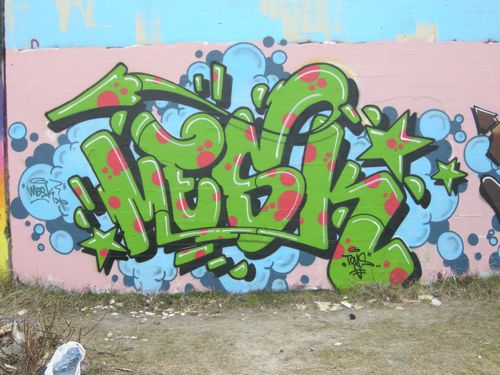
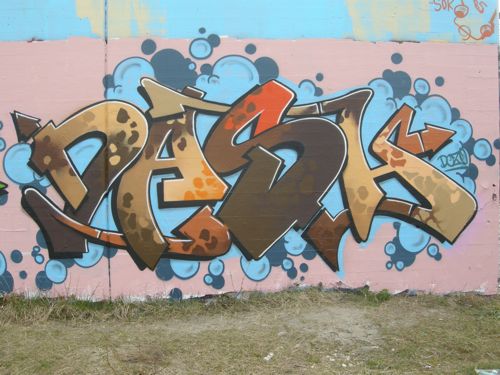
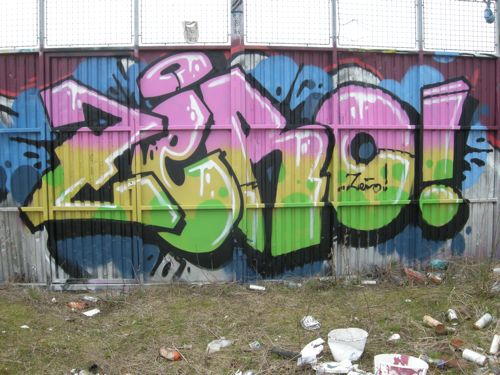
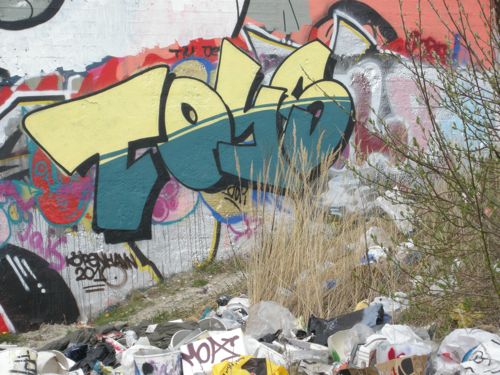
Copenhagen Graffiti (Walls) //
Luke Rudolf
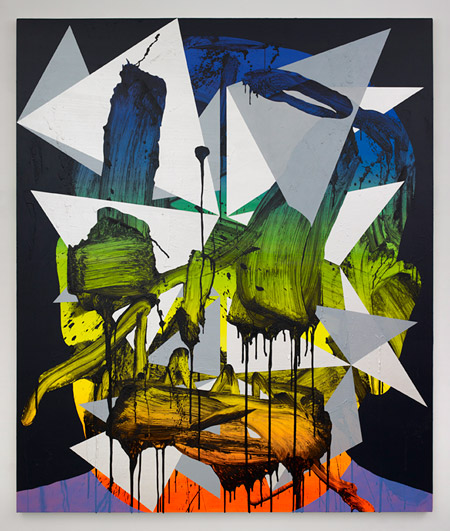
For his first solo show Luke Rudolf has made a series of new paintings that hijack the visual language of abstraction and the figurative tradition of portraiture. What might, with proximity, appear to be a free-form composition that brings painterliness and graphic control into uneasy alliance, soon releases its figurative allusions.
On the bounds of recognition, Rudolf’s anonymous portraits require a psychological unravelling on the part of the viewer; identity emerges from broad gestural brush strokes, sporadic mark making and layered shards of geometry. The paintings demonstrate how our tendency to recognise a face is triggered no matter how clownish its contortions or artificial its construction. Combining psychotropic colour spectrums, metallic flats, drips, rasping brushstrokes and hard-edged, masked-off triangles, Rudolf knowingly employs many stylistic clichés, dislocating them from their original contexts. Each piece is an orchestrated drama, a controlled explosion that exploits the earnest daubs of the expressionist as well as the graphic immediacy of design. The paintings’ relationship to art history is consequently far from reverent, as the remit of Modernism is satirically reversed to produce a monster of addition rather than the spirit of reductivism.
Luke Rudolf born 1977 in Redhill, lives and works in London.
Recent exhibitions include The Library of Babel / In and Out of Place, 176 Project Space, London until 9 May 2010; Paintings In The Sky, Kate MacGarry and TAG, From 3 to 36: New London Painting, Brown, London, both 2009. Rudolf graduated from the MFA in Art Practice, Goldsmiths College in 2009.
Stefan Strumbel
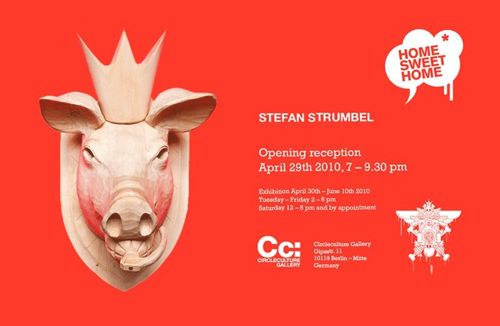
Circleculture Gallery presents Stefan Strumbel’s solo show “Home Sweet Home“. With his art, Strumbel uses traditional motives that are associated with his origin, the Black Forest. On an abstract level, Strumbel deals with the paradigms of “home“ and simultaneously questions its concept. The exhibition encompasses objects from folk art that refer to the clichéd notions of home, folklore and popular piety: the traditional cuckoo clock, wooden masks of the Alemannic Carnival or typical crucifixes mainly used in catholic households.
Strumbel exaggerates these objects of popular cult and culture with elements of urban art and pop art. By doing so, he puts these objects into a new, partly provocative context. Significant elements of the cuckoo clock, such as traditionally carved ornaments, are replaced by aggressive motives that stand for violence, pornography and death. A typical carnival mask from the Black Forest region, such as the “pig mask“, bears a wooden grenade instead of the apple that would be usually expected by the audience. At first sight, these objects do not appear disturbing. The wooden carvings are excellently crafted and, with their bright and colorful surface, appear as light and shiny pieces of pop art. Strumbel, however, creates both an artificial and artistic aesthetics with his usage of extreme exaggerations in regard to form and content. His objects simultaneously provoke and attract the audience by decadence and violations of taboos.
With his art, Strumbel initiates a change in social values: Traditional ideals, clichéd notions of home and the reality of the individual are dissolved and transformed into an aesthetics that becomes an allegory of social status symbols. The artist unmasks the mechanisms of a society that is urged to the pursuit of consumerism by having surrendered to the attraction of the media. With his objects, Strumbel creates a world of illusion that reflects society’s real maladies.
Strumbel exaggerates these objects of popular cult and culture with elements of urban art and pop art. By doing so, he puts these objects into a new, partly provocative context. Significant elements of the cuckoo clock, such as traditionally carved ornaments, are replaced by aggressive motives that stand for violence, pornography and death. A typical carnival mask from the Black Forest region, such as the “pig mask“, bears a wooden grenade instead of the apple that would be usually expected by the audience. At first sight, these objects do not appear disturbing. The wooden carvings are excellently crafted and, with their bright and colorful surface, appear as light and shiny pieces of pop art. Strumbel, however, creates both an artificial and artistic aesthetics with his usage of extreme exaggerations in regard to form and content. His objects simultaneously provoke and attract the audience by decadence and violations of taboos.
With his art, Strumbel initiates a change in social values: Traditional ideals, clichéd notions of home and the reality of the individual are dissolved and transformed into an aesthetics that becomes an allegory of social status symbols. The artist unmasks the mechanisms of a society that is urged to the pursuit of consumerism by having surrendered to the attraction of the media. With his objects, Strumbel creates a world of illusion that reflects society’s real maladies.
Anne Langgaard – Ordning af ting
Copenhagen Graffiti (Walls) :::…