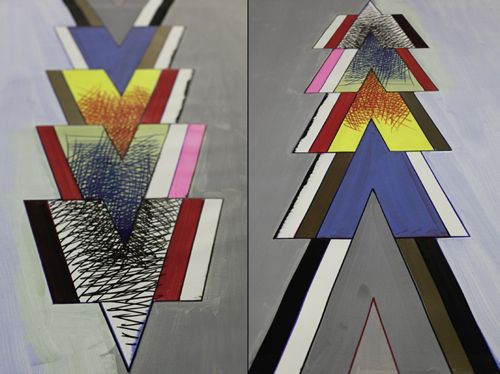
IDA KVETNY // “EN FACE”
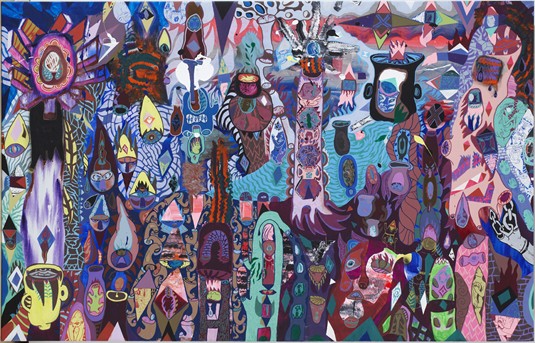
Dan Colen / Gagosian Gallery
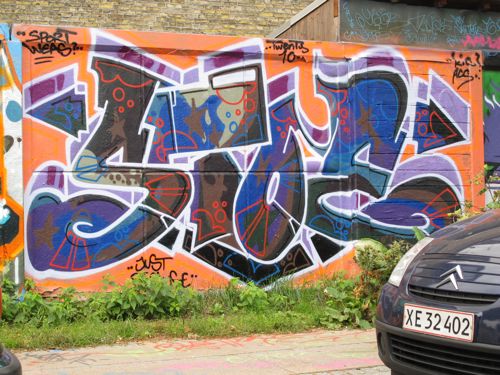
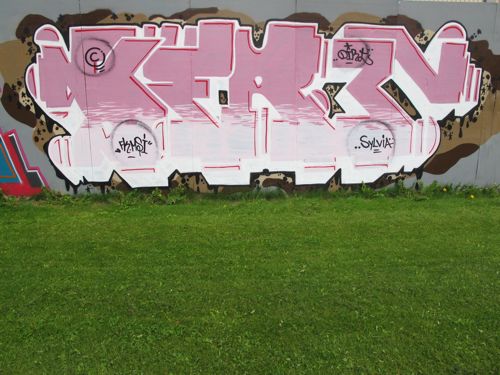
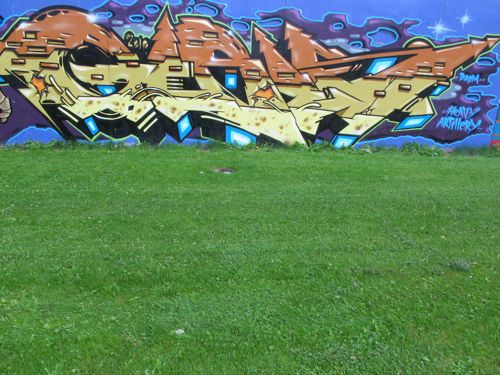
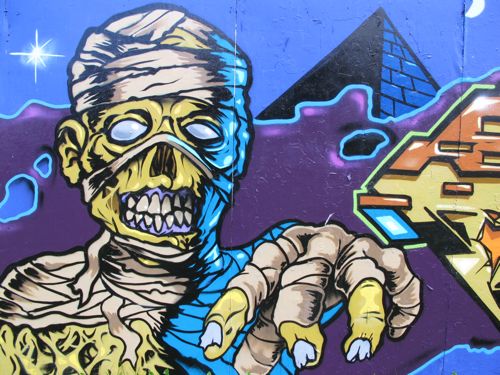
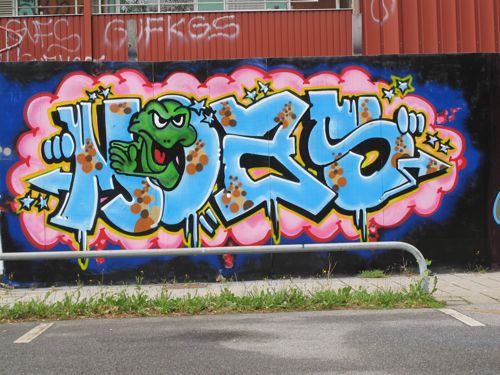
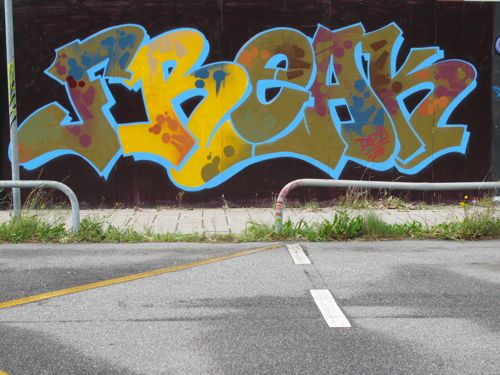
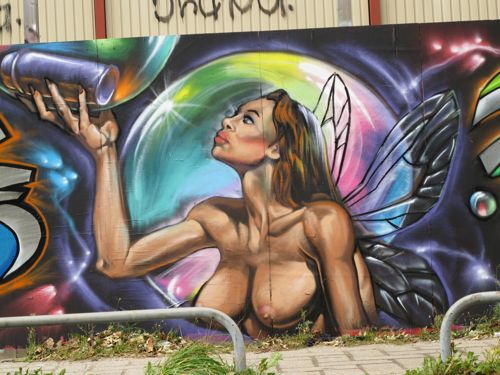
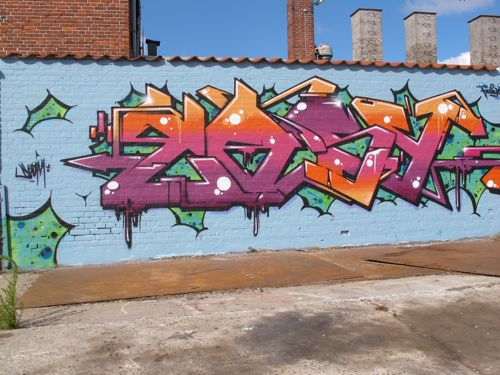
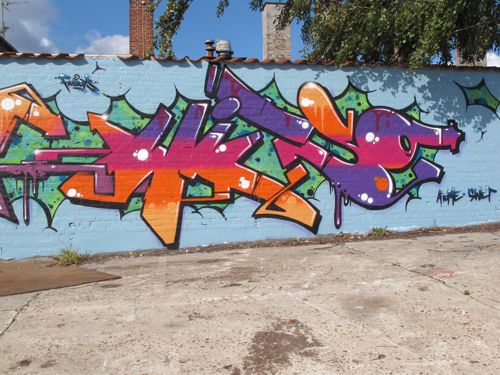
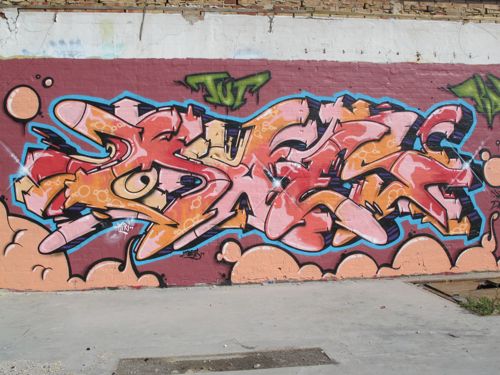
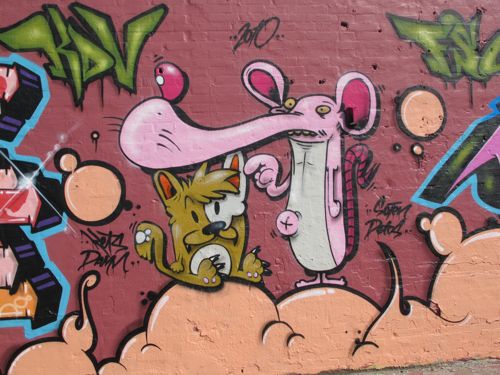
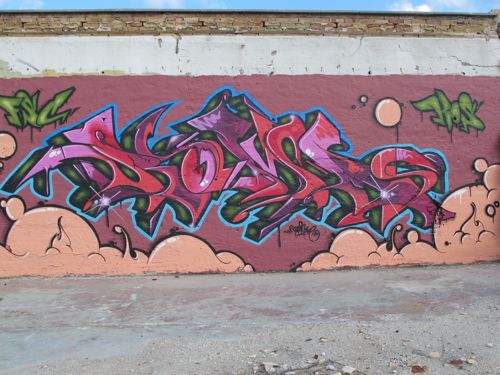
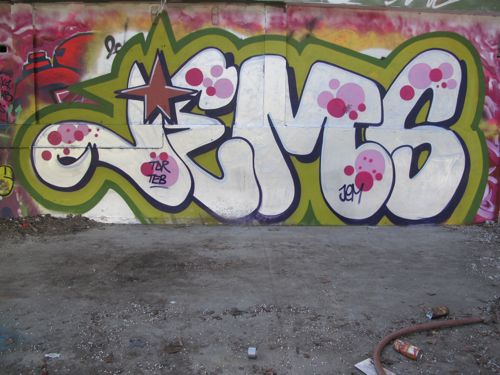
Copehagen Graffiti (Walls)
JOHN F. SIMON
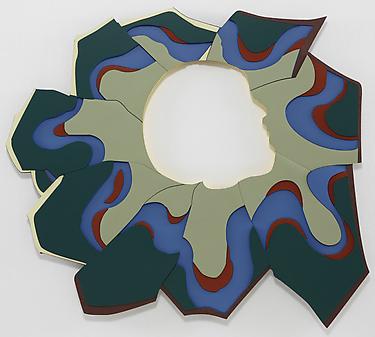
Continuing to experiment with software and robotic fabrication, Simon adds another dimension to the translation of his drawings from the digital to the physical. The new bas-reliefs made of wood and formica in Simon’s current exhibition elaborate on his long term fascination with automated mark making.
In his first exhibition with Sandra Gering Gallery in 1998, Simon showed pen-plotted ink drawings on paper generated from software tools he wrote called “Mobility Agents.” This new body of work relies on similar computer control to realize larger scale pieces. By layering line, color, and material, Simon invites you to “consider how things are defined by what surrounds them.” The innerhole calls attention to the negative space at the center.
The conceptual aspect of the work reflects Simon’s deepening dedication to drawing and understanding the sources of his own creativity. For the past eleven years, Simon has committed himself to a daily practice of drawing through which he observes his own intuitive markings, posting them on iclock.com. He then seeks to codify these improvisations, interpreting the drawings through different media including software, paper and wood. In setting out to automate improvisation through self-observation, he is guided by the practices of artists like André Breton, Jean Arp and John Cage, whose work relies on impulse and chance.
innerhole is John F. Simon, Jr.’s eighth solo exhibition in New York. Born in Louisiana in 1963, he currently lives and works in Orange County, New York. He has an MFA in Computer Art from the School of Visual Arts and additional degrees from Brown University in Providence, RI, and Washington University in St. Louis, MO.
Two works from the innerhole series will be included in the upcoming group show curated by Hubert Neumann, The Incomplete, at Galerie Jean-Luc & Takako Richard, Paris, France. His work is found in prominent museum collections such as the Museum of Modern Art, New York, the Solomon R. Guggenheim Museum, New York, the Whitney Museum of American Art, New York, and the Los Angeles County Museum of Art, California.
CHRISTOF MASCHER // “Alley Cat”
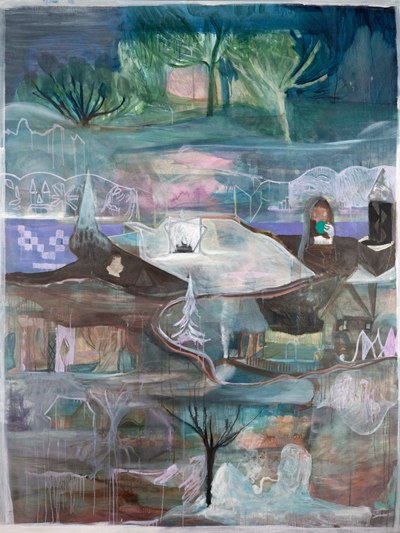
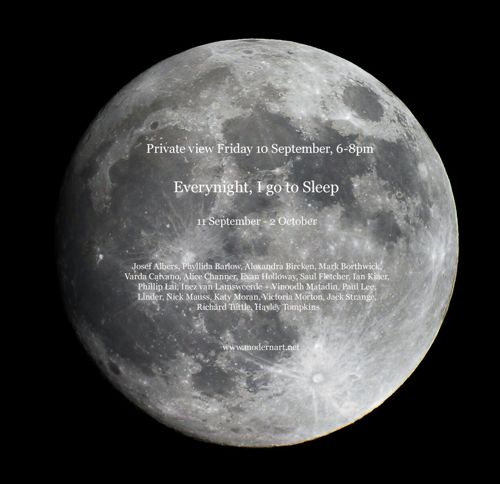
Everynight, I go to Sleep
Chris Verene

Chris Verene’s first show at Postmasters will present over forty photographs made during the past twenty-six years. This landmark exhibition of documentary storytelling chronicles a group of closely-knit characters from the photographer’s family and their rural Illinois community. The photographer is also one of the characters– his blood bonds and bonds of friendship within the small town are carefully spelled out in simple handwritten captions atop the colorful pictures. Verene’s new book, “Family,” published this summer, contains many of the images on view – it opens with his cousin Candi’s divorce. Candi was made famous when her wedding picture appeared on the cover of Verene’s first book ten years ago. Both husband and wife were fired in the Maytag factory closing described in President Obama’s first address to the United States in 2004 and in the 2010 State of the Union. Theirs is not the only family torn apart by the economic struggles of the country, as Verene documents other similar stories. The exhibition will also bring to light recent developments in the artist’s intimate life, as his young child, Nico, Brooklyn-born and half-Puerto Rican, appears throughout the latest photographs, playing with his cousins and newfound friends in Galesburg. This show will offer an extraordinary, inspiring, hopeful, and sometimes sorrow-filled view into the true personal stories and private lives of the artist’s immediate and extended family in their small community as photographed throughout a lifetime in economically depressed Galesburg, Illinois. Museums currently showing Verene’s work include The Tate Modern, The San Francisco Museum of Modern Art, and The New Orleans Museum of Art.
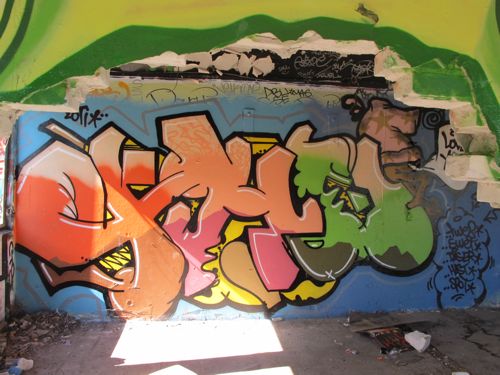
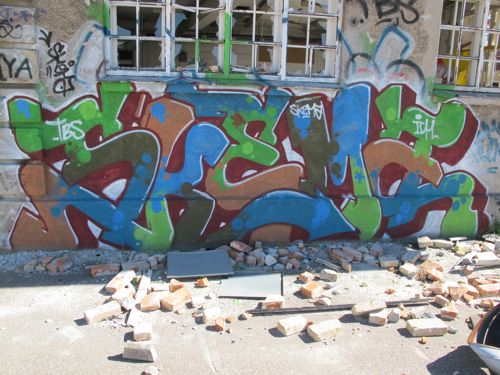
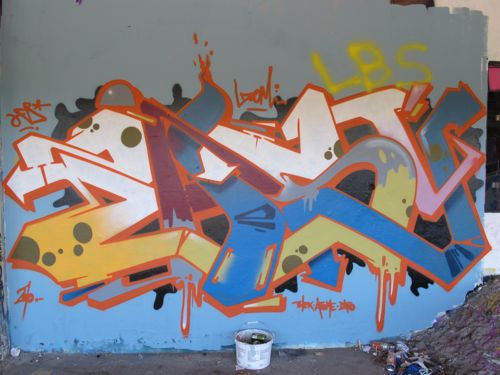
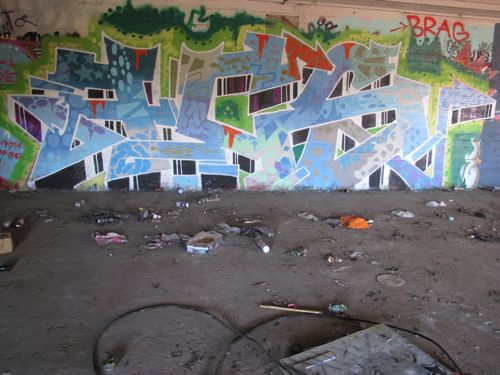
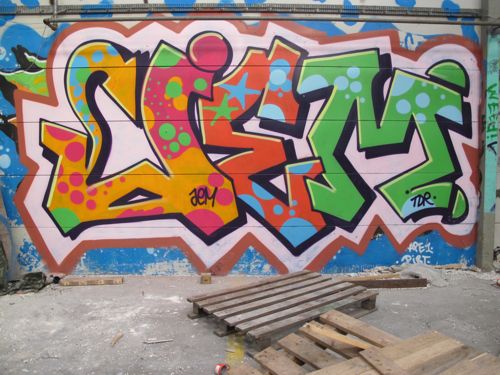
Copenhagen Graffiti (Walls)
Frauke Eigen
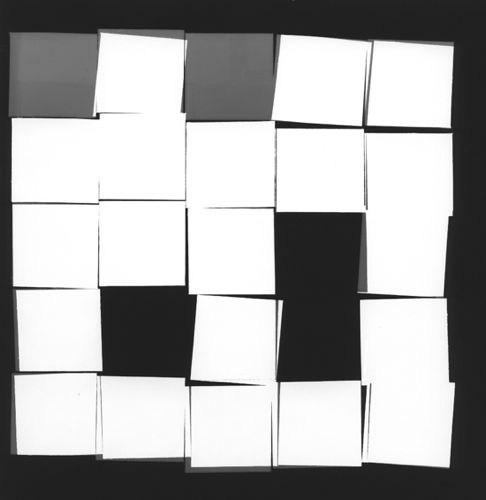
Frauke Eigen’s new works lead photography into an area of the autonomous image usually assigned to painting. In her gallery and museum exhibitions over the past two years, the atmosphere and aesthetics of Japan have been the predominant subject of her black-and-white photographs. The works were oriented toward seismographically recording structural phenomena that step out of the usual field of vision as worthy of being captured in an image.
The most recent works pull the gaze back; the camera turns, so to speak, inward. No longer do outward happenings determine the reality of the image, but the artist herself provides the precondition for something to become an image. Images of beams, patterns, rays and patches emerge that only marginally admit a reference to the outside world. Rather, they create an independent combination of differences of line and surface which condense into a meaningful image.
The non-representational image has perhaps the strongest potential to orient itself toward the viewer in a way formulated by Georg Lukács in his aesthetics at the beginning of the twentieth century. In this aesthetic theory, works of art as a world of fulfilment are counterposed to people’s yearning for the reality of experience: what remains withheld from all other expressions of human living, or exists only in a very sparse and questionable way, is fulfilled in the art work. The schema of communication has, in the work, stripped off everything fragmentary – not only what is empty and abstract, but also the merely personal – and the absolute unity of the individual with the superindividual is said to radiate through their unification in the work, attained through a coincidentia oppositorum.